Online learning has changed how I approach education, skill building, and even fun hobbies. There are so many platforms out there that it can get a bit confusing to figure out where to start or which service matches your goals. I’ve tested a bunch myself, tried different course styles, explored their features, and chatted with other learners to get a sense of what really works. Here’s a practical look at the top 10 online learning platforms, with side by side comparisons and advice to help you choose the one that will fit your learning needs best.
Why Online Learning Platforms Matter
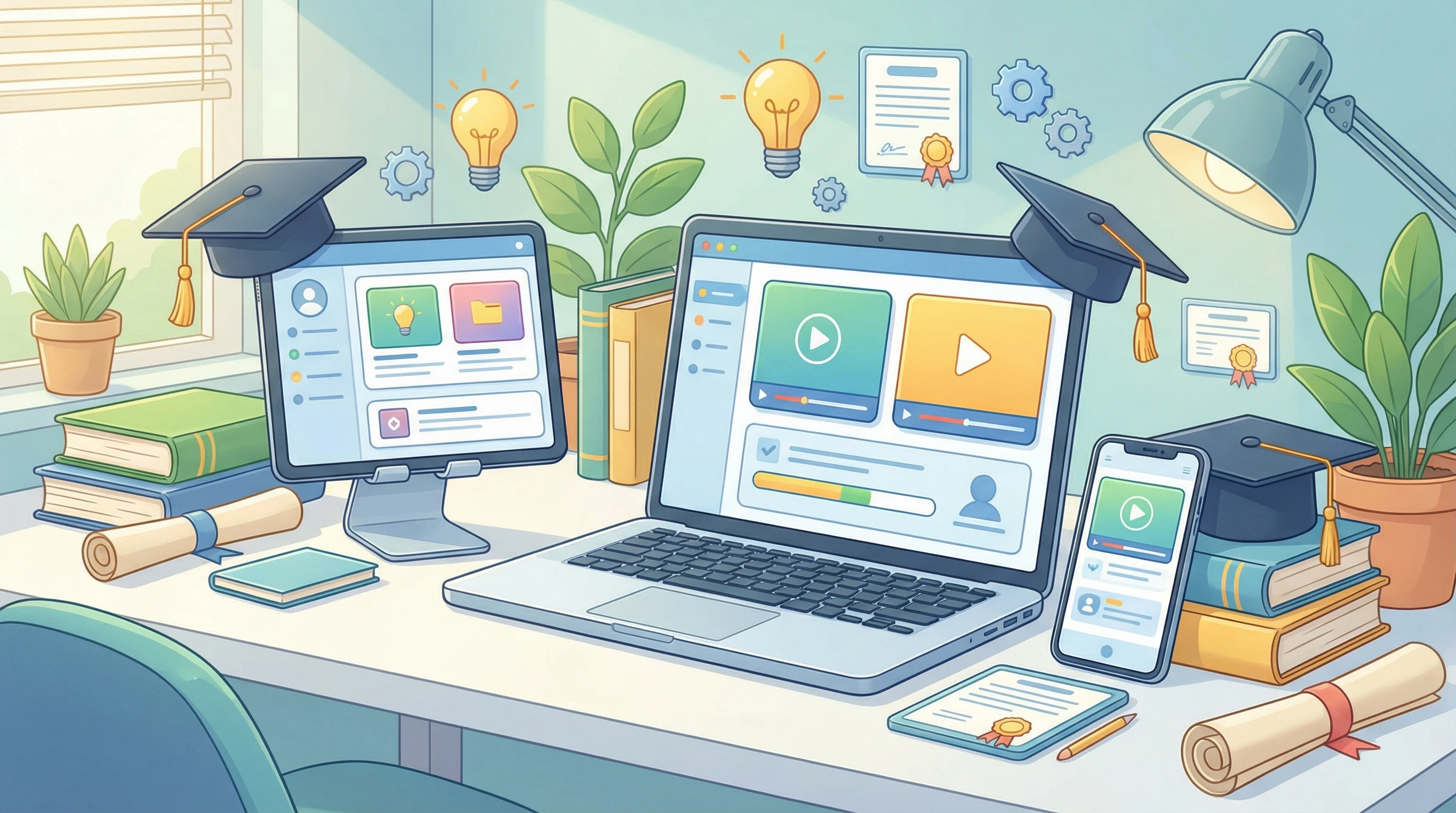
Online learning isn’t just about watching videos or reading a few articles. The best platforms offer interactive projects, discussion groups, peer feedback, and sometimes even official certificates.
For people working full time, parents, or anyone with a busy schedule, online learning can open doors that traditional in-person classes often can’t. Whether you’re looking to advance your career, learn a new language, or simply enjoy picking up a new skill at your own pace, these platforms make learning far more accessible.
With options ranging from university-level courses from institutions like Harvard to practical, step-by-step tutorials in areas like coding and design, there truly is something for everyone. Below, we’ll break down what sets these platforms apart and how to choose the one that fits your goals best.
Top 10 Online Learning Platforms Compared
I’ve sorted through tons of options and narrowed down my top 10, looking at course quality, pricing, unique features, and the types of learners they seem to fit best.
- Coursera: Courses from top universities and big name companies, all wrapped up with interactive assignments. A lot of courses are free to audit, but you pay if you want a certificate. Great for everything from business to engineering to psychology, and you can even get a full degree if you want.
- Udemy: Huge library with over 200,000 courses! Most are low cost, sold a la carte, and updated regularly. You’ll find everything from Photoshop tutorials to business startup advice. It’s perfect when you want a self paced option and specific, practical skills.
- edX: Another one that features university partners, like MIT and Harvard. There are plenty of free courses, and you only pay for verified certificates. Good pick if you want more academic or professional topics, plus microcredentials or even online degrees.
- LinkedIn Learning: Focused on skill building for the workplace. Lots of video courses on business, IT, creative skills, and the entire platform links with your LinkedIn profile, making it easy to show off what you’ve achieved.
- Khan Academy: Totally free and especially helpful for students at the K-12 level. The platform explains math, history, science, and more using bite sized video lessons and practice exercises.
- Skillshare: Big focus on creativity—think arts, design, writing, filmmaking, and even cooking. Most courses are project based, which I’ve found encourages a lot of hands on learning.
- Pluralsight: Tailored for techies—software dev, cybersecurity, data science, and more. The platform leans toward professionals who already have some background, want to stay current, or need to prep for certifications.
- FutureLearn: Based in the UK, with a ton of academic and skill based courses, including language learning, tech, and teaching. Many have options for free access with a fee to unlock certificates or permanent access to content.
- MasterClass: Known for their celebrity instructors, this service is all about learning directly from experts, whether it’s film direction from Martin Scorsese or cooking from Gordon Ramsay. Focused more on inspiration and personal development than job skills you can use right away.
- Codecademy: Pure focus on coding and programming, with interactive lessons that let you practice in real time. Tons of languages (like Python, JavaScript, and more), plus career paths, quizzes, and hands on projects to keep you motivated and on track.
Choosing Your Platform: What to Think About
Before starting a new course or subscription, some questions help narrow things down and help you avoid spending money on the wrong fit. Here’s what I usually look at:
- Learning goal: Want a degree, a certificate for work, or just picking up a hobby?
- Budget: Pricing varies a lot! While some platforms are free, some cost as much as a college class.
- Course style: Prefer interactive assignments or just want to binge watch lectures?
- Instructor quality: Professional educators or industry experts?
- Certificate value: Is the certificate widely accepted by employers or just for fun?
- Community: Looking for discussion groups, peer feedback, or solo study?
Matching these factors to your platform of choice helps you find a better fit and stick with your learning plan longer.
Key Features that Make These Platforms Stand Out
- Flexibility: Most courses don’t have hard deadlines, letting you work through material on your schedule.
- Mobile access: Learning on the go is possible with dedicated apps on several platforms.
- Certificates and accreditation: Especially on Coursera, edX, and LinkedIn Learning, certificates can give a boost to your resume or LinkedIn profile.
- Community and support: Skillshare, FutureLearn, and Udemy have active discussion forums that help with motivation and getting your questions answered.
- Specialized content: Platforms like Pluralsight for tech pros and MasterClass for creative thinkers are tailored for specific audiences.
Things to Watch Out For
I’ve learned a few things the hard way. Not every course lives up to its pitch. Here’s what I look for now before enrolling anywhere:
- Course previews: Always watch a preview video and check syllabuses before paying.
- Instructor bio: Read reviews and look up the teacher’s background.
- Refund policy: Most platforms like Udemy let you request a refund if you’re not happy early on.
- Current content: Double check the last update date. Tech moves fast, and you want the latest info.
- Peer feedback: Courses that include student projects or discussion forums can make learning much more engaging.
Mobile Access and Offline Learning
Several platforms make it super easy to keep up with your lessons while commuting or when you’re offline. Udemy and Coursera, among others, allow you to download course videos on your smartphone or tablet and study wherever you are. That’s been a lifesaver for me when I’m stuck on a train or just feel like learning away from my desk. Other platforms also offer mobile apps, so you never have to worry about missing a session, especially on busy days.
Pricing and Value
Pricing can be all over the place. Here’s a quick rundown on what to expect:
- Coursera/edX: Free to audit, pay for certificates or full programs. Degrees and specializations cost more, but financial aid is often available for qualified learners.
- Udemy: Courses are sold individually and are often discounted (sometimes as low as $10-$20), which makes it ideal for picking up skills as you need them.
- Skillshare/LinkedIn Learning/Pluralsight: Monthly subscriptions unlock everything. Many offer free trials to get started, allowing you to explore before you commit.
- Khan Academy: 100% free with donations supporting the platform. Great choice for students or anyone on a budget.
- MasterClass: Subscription only, includes all celebrity led classes for a flat yearly fee, packed with next level cool instructors and unique perspectives.
- FutureLearn: Mix of free and paid models, with upgrade fees for certificates and ongoing access to special course content and extra materials.
Examples of How People Use These Platforms
- Career changes: Many people start new careers by completing LinkedIn Learning courses, earning certificates, and showing them off to recruiters right on their profile. Some even use this to make a case for promotions or new roles within their companies.
- Hobby learning: Skillshare or MasterClass are pretty fun for hobbies like illustration, short story writing, or even gardening tips from experts. These platforms let you explore new interests or deepen your creative skills without pressure.
- College prep: Khan Academy makes it easy for high school students to review for big tests like the SAT or AP exams without spending anything. It’s also great for parents helping their kids with homework.
- Upskilling tech professionals: Pluralsight and Codecademy help IT pros and developers stay sharp and get certified quickly, keeping up with trending tools and technologies in a fast moving industry.
- Academic credentials: Coursera and edX offer microdegrees, specializations, or even complete graduate degrees 100% online. Learners can pursue an accredited credential without ever stepping onto campus.
Frequently Asked Questions
Q: Can I use these online certificates for job applications?
A: In many fields, a certificate from Coursera or LinkedIn Learning does help your resume stand out, especially if your course matches the job description. Just note that some companies value official degrees more than certificates, so it’s best to check in with your field’s expectations.
Q: Are these courses interactive, or do you just watch videos?
A: It depends on the platform. Codecademy, Skillshare, and Coursera have coding playgrounds, assignments, or projects. Others are more lecture based, but community discussion is often available to make learning more engaging.
Q: Which platform is best for academic content?
A: Coursera and edX are great for university level material, complete with real university professor instruction and access to research based learning.
Q: Can I learn for free?
A: Absolutely! Khan Academy is always free, and many other platforms allow you to audit courses for free if you don’t need a certificate. Both Coursera and edX offer this option on many of their classes, making high quality education accessible to everyone.
Final Thoughts
Choosing the best online learning platform ultimately comes down to your personal goals, budget, and learning style. Taking the time to explore a few options — even by test-driving a free class or two — can make a big difference in finding the platform where you’ll thrive.
Online learning offers incredible flexibility and variety, making it easier than ever to grow your skills at your own pace. Enjoy the process, stay curious, and happy learning.
If you have any questions about the platforms covered here or need help deciding where to start, feel free to leave a comment below — I’m happy to help.