A growth mindset is all about believing that abilities and intelligence can develop with effort and perseverance. It’s this idea that, hey, you can actually improve and grow, which stands in stark contrast to the fixed mindset where you think talents are just set in stone from birth.
Breaking down its components, there are a few key principles that make up the growth mindset.
- First off, effort is seen as a pathway to success. It’s not some pesky chore but something that actively helps you get better. Then, there’s the view on challenges—they’re exciting opportunities to learn and not obstacles to shy away from.
- Perseverance becomes your best buddy when embracing a growth mindset. In essence, it’s about picking yourself up when things get tough, learning from setbacks instead of being defeated by them. Celebrating persistence over just natural talent shifts focus from innate ability to hard work.
- Another essential aspect is the way feedback is handled. Where someone with a fixed mindset might ignore criticism, viewing it as a direct attack on abilities, those with a growth mindset see it as valuable information, a guide on their journey to improvement.
- Understanding that people aren’t locked into a single way of thinking is super liberating. Realizing that a fixed mindset can be shifted towards developing a growth mindset opens doors to all kinds of personal development and achievement.
Whether in school, at a job, or just kicking back in regular life, embracing these growth principles can change everything about how you approach challenges and opportunities. It’s empowering, knowing that with effort and the right mindset, growth is not just possible—it’s certain.
Applying Growth Mindset in Education: Free Curriculum
Finding a good curriculum that encourages a growth mindset isn’t as tricky as it might sound. There are heaps of online resources ready to help both kids and educators dive into this transformative way of thinking.
Plenty of free growth mindset curricula are out there, designed to fit into various education levels. For teachers who want to incorporate a growth mindset into their lesson plans, starting with online platforms offering structured programs can be a great move. These resources often include a mix of videos, interactive activities, and real-world applications, making them engaging and effective.
While planning lessons, it’s important to weave growth mindset principles into subjects naturally. You don’t want it to feel forced! This could mean encouraging students to see mistakes as learning tools in math or celebrating effort and strategy use in language arts.
Another smart move is tapping into open access educational resources. Many universities and educational organizations offer free courses and materials that can fit well into existing classroom setups or can be adapted for remote learning.
Creating an inclusive environment where everyone feels they can contribute is key. When teachers and students work together to support each other’s efforts, everyone benefits. Encouraging students to share their learning experiences builds a classroom culture where the growth mindset thrives.
Exploring Growth Mindset Theory: From Concept to Reality
The roots of growth mindset theory go back to the work of Carol Dweck, a psychologist who’s been a game changer in the field of education and personal development. Her research highlights how understanding mindsets can impact everything from academic achievements to personal happiness.
This theory doesn’t just sit on the shelf. It’s actively applied in various realms like schools and workplaces, driving real change. Dweck’s insights clarify how a growth mindset plays out practically, helping individuals and organizations tap into potential they might not know they had.
At the core, there’s some fascinating science. Studies around brain plasticity show us that brains are adaptable and can change with learning. This underpins the growth mindset theory, emphasizing that effort engages neural connections, literally making you smarter over time.
Plenty of evidence supports the benefits of adopting a growth mindset. Academic studies reveal improved student performance, while businesses report enhanced employee engagement and productivity. These findings showcase that growth mindsets aren’t just theoretical – they’re shaping outcomes.
Transitioning from concept to practice involves more than just individual effort. It requires a supportive environment where growth is encouraged, and mistakes are seen as steps towards improvement. Organizations and educators alike need to foster conditions where innovation and resilience are nurtured.
Engaging Activities to Foster Growth Mindset in Kids
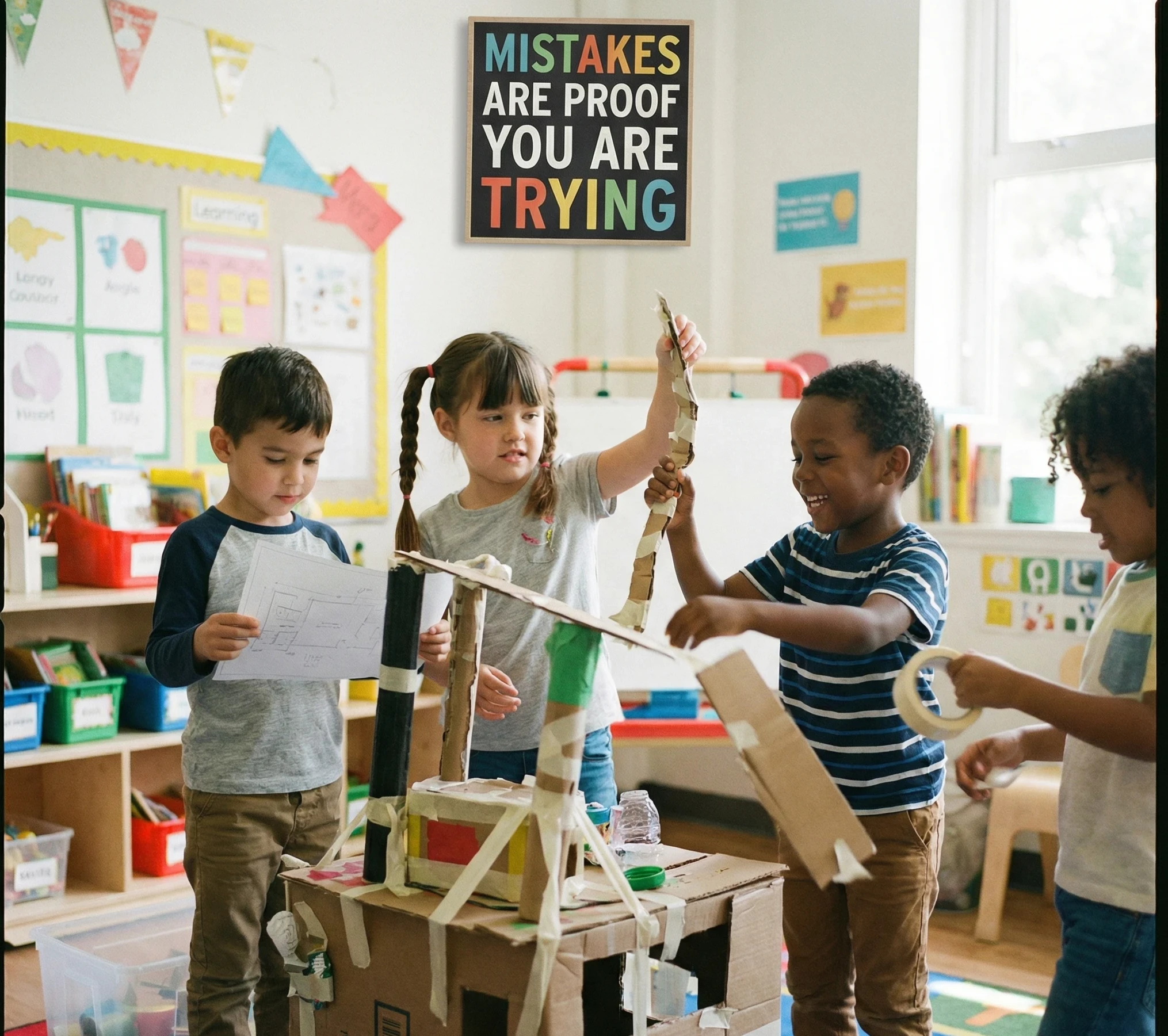
Kids are naturally curious, which makes them prime candidates for developing a growth mindset. By creating activities that both engage and challenge them, it’s possible to nurture their resilience and willingness to learn from mistakes.
Interactive games are a fantastic starting point. Simple board games or video games that reward effort and strategy rather than just speed can foster a mindset that values learning and improvement. These activities encourage children to think ahead, plan, and adapt when things don’t go as expected.
Storytelling can be another powerful tool. Share stories with characters facing challenges and learning from their mistakes, or encourage kids to create their own tales. This not only sparks imagination but also helps kids relate to situations where perseverance leads to success.
Group activities like puzzles and team challenges actively promote collaboration and experimentation. When kids work together, they realize the power of combining efforts and see that everyone has something to contribute, reinforcing the idea that abilities can grow.
Finally, introducing real-world projects that require problem-solving can solidify the principles of a growth mindset. Tasks that encourage creativity, like building a simple machine or designing a garden, show kids that learning is a process, where each attempt, whether it succeeds or fails, adds value.
Online Growth Mindset Courses: Pathways to Personal and Professional Development
Navigating the world of online growth mindset courses can be both exciting and a bit overwhelming with so many options out there. It’s like having a buffet of knowledge at your fingertips. Knowing where to start and what to choose can make all the difference in your growth journey.
Popular platforms like Coursera, Udemy, and Khan Academy offer a range of courses designed to help you understand and apply growth mindset principles in various areas of life. Whether you’re an educator looking to enhance teaching skills or an individual aiming for personal growth, there’s a course tailored for every need.
When selecting a course, align it with your personal or professional goals. Some courses are intense, diving deep into the psychology of growth mindsets, while others are more practical, focused on hands-on application and real-world scenarios.
Balancing online learning with everyday practice amplifies the benefits. Engaging in discussions, sharing experiences in forums, and finding a community of like-minded learners can make the online learning experience more rewarding and less isolating.
Certification can also be a valuable outcome of these courses, adding a tangible credential to your professional portfolio. It can highlight your commitment to continuous learning and showcase growth mindset as a core professional skill.